Introduction: The Unstoppable Rise of Esports
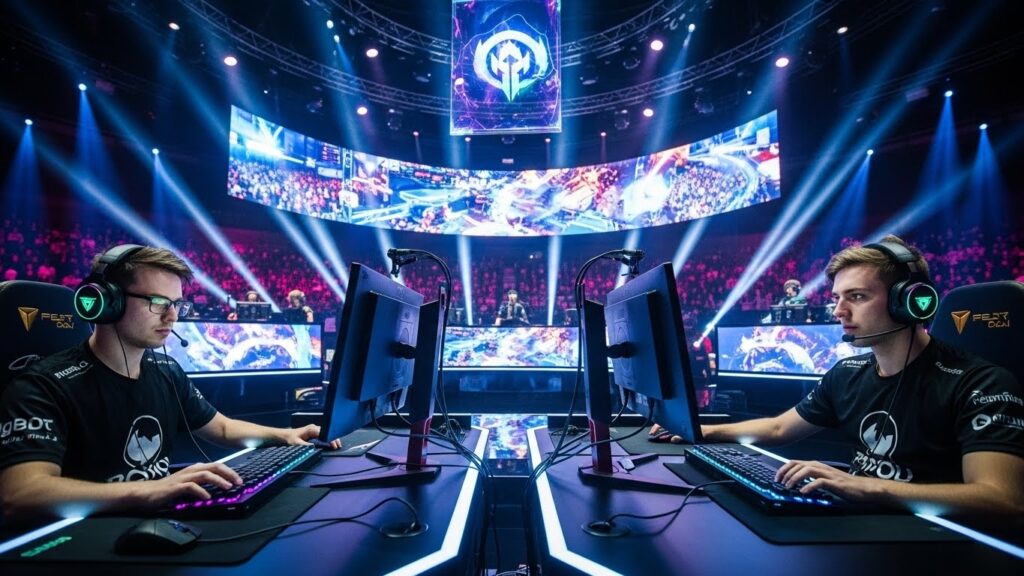
Esports, short for electronic sports, has transformed from a hobbyist’s pastime to a global entertainment phenomenon. Once dismissed as mere gaming, it has quickly developed into a multi-billion-dollar industry, rivaling traditional sports in terms of viewership, sponsorship, and cultural impact. Whether you’re a casual gamer or an avid esports fan, the growth of competitive gaming has reshaped the way we think about sports, competition, and entertainment. This blog explores the explosive rise of esports, its cultural significance, and what the future holds for this rapidly expanding industry.
The Origins of Esports: From Casual Play to Professional Competition
The history of esports can be traced back to the 1970s when the first competitive gaming tournaments began to surface. Back then, gaming was mostly a hobby and a means of social interaction. However, the foundation for esports was set with the first-ever video game competition, the Intergalactic Spacewar Olympics, held in 1972. As technology advanced, gaming shifted from being a solitary activity to a more communal one. Online multiplayer games such as Quake and Starcraft were pivotal in establishing the idea of competitive gaming.
The early 2000s marked a key turning point for esports. The rise of broadband internet and dedicated gaming platforms like Battle.net allowed players to compete in organized online tournaments. These events, often with modest prize pools, began attracting larger audiences. By the time streaming services like Twitch emerged in 2011, esports was ready to become a global spectacle. Today, professional gaming leagues and tournaments host events with millions of dollars in prize money, drawing massive live audiences both online and in person.
Esports as a Global Industry: Growth Beyond Expectations
Esports has evolved into a massive global industry, attracting viewers from all corners of the world. What was once a niche community has now expanded to include a diverse audience, from casual gamers to hardcore fans and even mainstream spectators. According to recent reports, the global esports market is projected to generate billions in revenue over the next few years, driven by sponsorship deals, media rights, ticket sales, and merchandise.
One of the key factors contributing to the rapid growth of esports is its ability to reach a younger, digitally-native audience. Traditional sports leagues are often limited by regional boundaries and access to live events. Esports, however, thrives in the digital realm, making it easily accessible to anyone with an internet connection. Major events such as The International for Dota 2 and the League of Legends World Championship attract millions of viewers online, with large-scale events held in arenas and stadiums worldwide.
Additionally, esports organizations have secured sponsorship deals with major brands such as Intel, Coca-Cola, and Nike. These partnerships are evidence of the mainstream appeal of esports, as they tap into an audience that is increasingly difficult for traditional marketing to reach. The involvement of global corporations in the esports ecosystem has significantly boosted its credibility and visibility.
The Players and Teams: Professional Gamers on the Rise
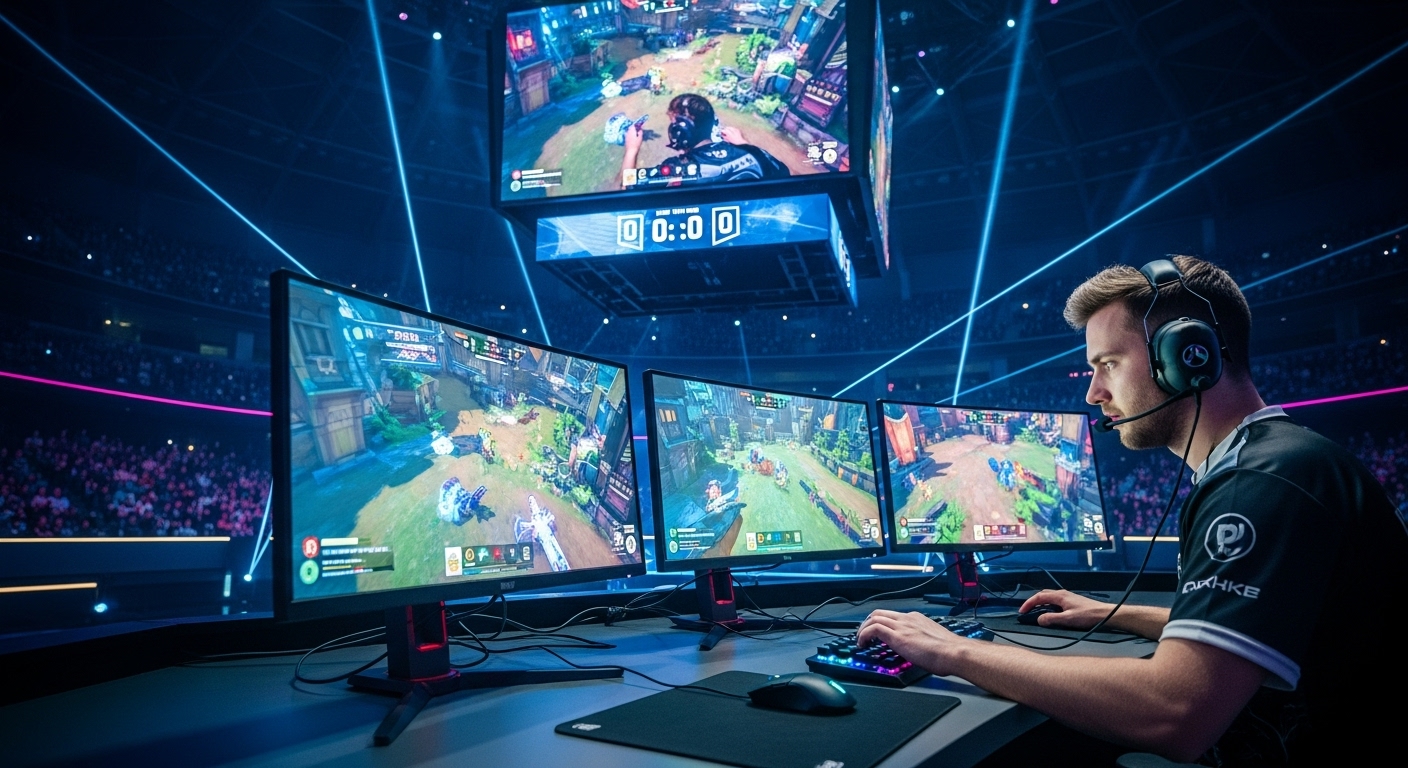
Just as traditional sports have professional athletes, esports has created a new generation of players who compete at the highest level. These professional gamers are not only skilled in their respective games but also serve as role models and influencers within the gaming community. Top-tier players can earn millions of dollars per year through tournament winnings, sponsorships, streaming, and content creation.
Esports teams have evolved into highly structured organizations, often comparable to traditional sports teams in terms of operations and management. Teams are typically composed of five or six core players, supported by coaches, analysts, managers, and other staff members. Organizations like Team Liquid, Cloud9, and FaZe Clan have become household names in the esports world, building large followings and creating competitive rosters across multiple games.
Beyond the players themselves, esports organizations also employ content creators, social media managers, and marketing teams who help amplify their brand and connect with fans. The growth of these teams has provided ample career opportunities for individuals in roles that are directly tied to the success of the esports industry, such as coaching, broadcasting, and event management.
The Appeal of Esports: Why It’s Captivating Millions
Esports has captivated millions worldwide, but what makes it so appealing? There are several factors that contribute to its broad appeal:
- Accessibility: Esports is incredibly accessible. Unlike traditional sports, which often require physical equipment or facilities, esports only requires a gaming console, a computer, or a mobile device. This ease of access means that anyone with an internet connection can participate or watch, making it one of the most inclusive forms of competition.
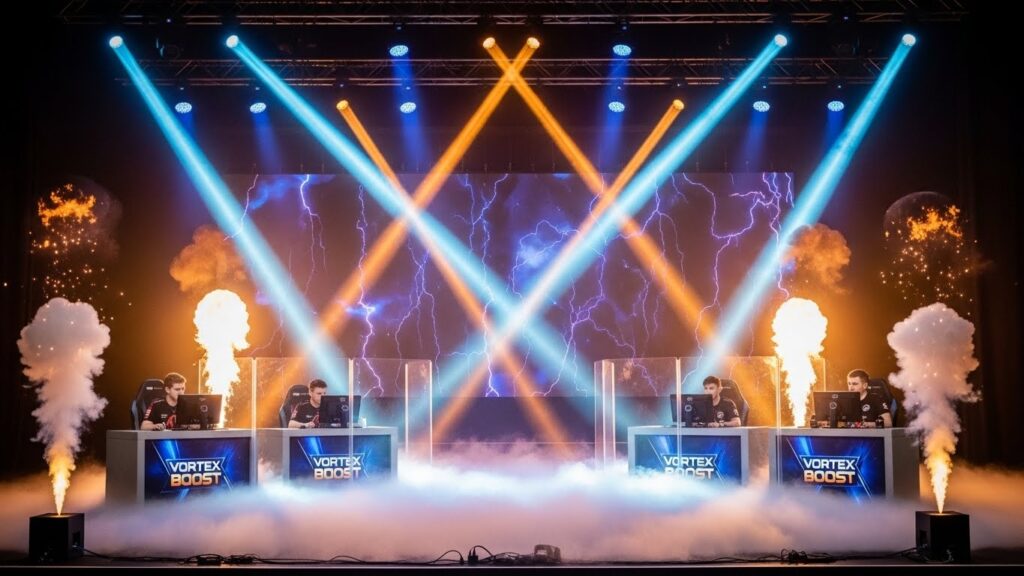
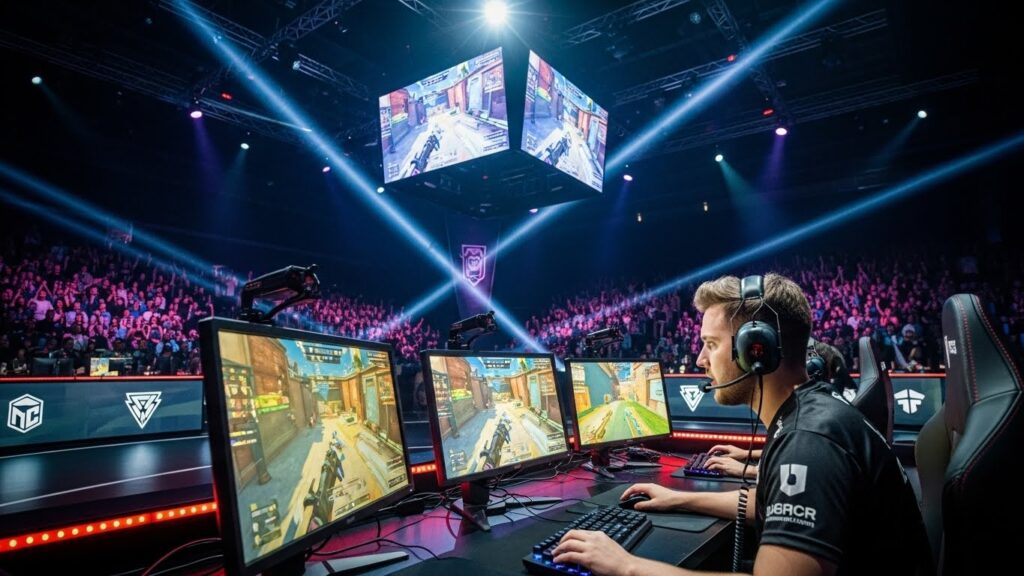
- Entertainment Value: Esports events are high-energy spectacles that mirror the excitement of traditional sports. With live commentary, analysis, and fan interactions, these tournaments offer an engaging viewing experience. The best players in the world showcase their exceptional skills, and the competitive nature of the events ensures that the drama and excitement are always at a fever pitch.
- Community Engagement: One of the most significant aspects of esports is its community. Fans interact with players, teams, and other fans through live streams, social media, and forums. Platforms like Twitch allow viewers to engage with their favorite streamers in real-time, providing an interactive experience that traditional sports often lack.
- Variety of Games: Esports isn’t limited to a single game. Whether you enjoy League of Legends, Fortnite, Counter-Strike: Global Offensive, or Dota 2, there’s something for everyone. The diverse range of game genres ensures that esports can appeal to players and fans with different tastes and preferences.
The Future of Esports: Innovations and Opportunities Ahead
As esports continues to grow and mature, several key trends are likely to shape its future. The continued development of technology will bring innovations to the competitive gaming landscape, including the integration of Virtual Reality (VR) and Augmented Reality (AR). These immersive technologies could transform how players compete and how fans experience events, taking esports to new heights.
Furthermore, the rise of mobile gaming has introduced a new frontier for esports. Games like PUBG Mobile and Clash Royale have attracted a massive global audience, especially in regions like Southeast Asia and South America. Mobile esports is expected to play a significant role in the industry’s future, broadening its reach and attracting more players and fans.
Esports is also increasingly finding its place in the mainstream sports ecosystem. Leagues like the NBA 2K League and FIFA eWorld Cup are part of a growing trend of traditional sports embracing competitive gaming. As more partnerships between esports and established sports organizations develop, the lines between the two may blur, creating more crossover events and tournaments that unite the digital and physical worlds of competition.
Conclusion: Esports is More Than a Game
Esports is no longer just a pastime for gamers; it has become a global movement with an undeniable cultural, economic, and social impact. It has transformed how we view competition, entertainment, and digital engagement. As the industry continues to evolve and expand, esports will only grow in influence, offering new opportunities for players, fans, and brands alike.
Whether you’re a dedicated esports enthusiast or a newcomer to the world of competitive gaming, one thing is clear: esports is here to stay. As technology advances and the global community continues to rally behind this digital revolution, the future of esports is bright, promising even more thrilling events, higher stakes, and greater opportunities for everyone involved.